



About Disc Makers
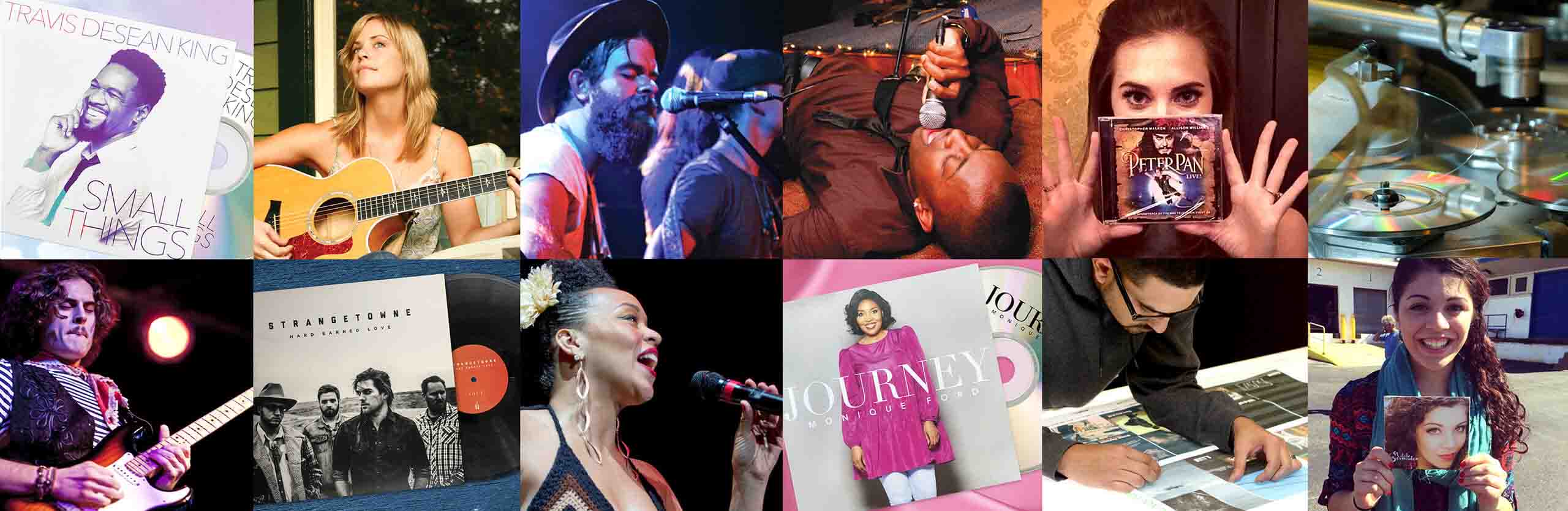
Who we are
Disc Makers provides CD manufacturing, CD duplication, and vinyl record pressing services for independent artists, songwriters, bands, and labels. We help creators produce high-quality physical media they can sell, share, and build a career around.
From short-run CDs to custom vinyl records, we make it easy to create, produce, and deliver physical music worldwide — with fast turnaround, premium quality, and real human support.
What we do


Who we work with
Disc Makers is built for independent creators who want more than just streams:
- Musicians releasing albums and EPs
- Touring artists selling merch directly to fans
- Independent labels producing high-quality physical releases
- Creators who want to turn their audience into paying supporters
Whether you're releasing your first CD or pressing vinyl for your biggest fans, we help you bring your music into the real world.
Why artists choose Disc Makers
Independent artists have options. Here's why they choose Disc Makers:
- Premium quality your fans will notice — produced in our own U.S. factory
- Fast, reliable turnaround — ready when you need it
- Low minimums to get started quickly
- Real human support from people who understand music
- A complete ecosystem of manufacturing, mastering, design, and fulfillment
We're not just a vendor. We're a partner in helping you release, sell, and grow your music.
Proven results for independent artists
Disc Makers has been serving independent artists since 1946
- Over one billion CDs and vinyl records produced for more than 500,000 independent artists and labels
- Experts in small orders — our average order for the past 15 years is just over 600 units (and 100 units is our most-popular order size)
- Trusted by generations of independent musicians and creators. We helped spark the DIY music revolution in the mid-1980s.
- Serving artists, labels, filmmakers, and businesses worldwide
- Manufacturing, printing, and packaging in our U.S. factory near Philadelphia — for the highest quality and fastest turn times
For eight decades, we've helped artists turn their ideas into real, tangible releases — and into real revenue.
Looking for CD duplication or vinyl pressing near you? Disc Makers serves artists nationwide from our U.S. manufacturing facility, with fast nationwide shipping.

A legacy of independent music
Disc Makers was founded in 1946 by Ivin Ballen, who built his own pressing plant to produce records for the artists on his label when no other options existed.
That same idea — making it easier for independent artists to release music — still drives everything we do today.
While formats have evolved from vinyl to CD and beyond, our mission has remained the same: help independent creators compete, succeed, and be heard.
Why physical media still matters
Streaming is powerful for discovery — but it doesn't pay enough to sustain a career. Physical music gives fans something they can buy, collect, and connect with — and gives artists a direct path to meaningful revenue.
Work with Disc Makers
If you're ready to turn your music into something real — something your fans can hold, buy, and remember — we're here to help.
Frequently Asked Questions
What does Disc Makers do?
Disc Makers provides CD manufacturing, CD duplication, and vinyl pressing services for independent artists, along with mastering, design, and fulfillment support.
How much does it cost to make CDs or vinyl?
Your price depends on order size and the packaging type you select. CDs start at low minimum quantities, with packages of 100 CDs in jackets starting at under $2 per unit. Vinyl pricing depends on run size, with short runs of 100 units starting at under $1,000.
What is the minimum order?
We specialize in short-run production to make physical media accessible to independent artists without a large upfront investment. Our minimum order is 50 pieces for CDs and 100 records for vinyl.
How long does production take?
Disc Makers offers some of the fastest turn times in the music industry, because we know how important it is to get your release out on time. Turnaround times vary by product type. CDs can be produced in as little as 24 hours for rush orders, but most artists choose a turn time of between 1–2 weeks. Vinyl turn times take longer and fluctuate more, depending on time of year. Ask your product specialist at the time of ordering.
Do you help with album design and mastering?
Yes. We offer professional audio mastering through The SoundLAB and award-winning album design services — all to help your music sound and look its best.
Can I sell my CDs and vinyl online?
Yes. We have partnered with Spinney Media to offer fulfillment and distribution solutions that allow you to sell your physical music online from your website or Bandcamp page without managing inventory or shipping.
Do I need to be local to work with Disc Makers?
No. We serve artists nationwide and worldwide. All orders are produced in our U.S. facility and shipped directly to your door.