



Why your 2026 music release strategy needs a "physical first" pivot to beat Spotify economics
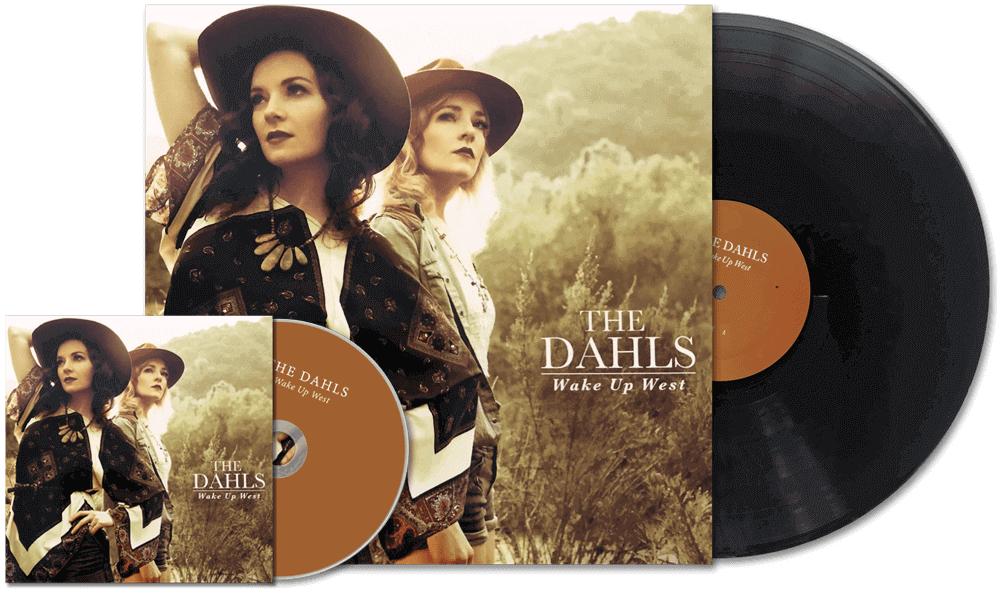
Spotify economics are real, and they're costing artists more than they realize. Remember when streaming promised freedom? You got unlimited access to global audiences with no gatekeeper. For a while, it felt like the playing field was finally leveled. You'd upload your music, wake up famous, and watch the royalties roll in.
Unfortunately, that last part never actually came to fruition. There's one uncomfortable truth that most artists discovered too late: you can have millions of streams and still be left broke. Meanwhile, some fan that streamed your song 100 times may have happily paid $20 for a vinyl copy — putting more money in your pocket with a single purchase than thousands of streams ever could.
That's the reality of 2026, but most artists aren't abandoning streaming. Instead, they're restructuring their release strategy by embracing physical media first.
Rather than thinking of it as pure nostalgia or even a vanity project, going physical-first is a way to fight back against Spotify economics. Once you understand the math and compare it to the margins and the connection that you can create with fans through physical media, choosing physical first becomes both obvious and necessary. Here's what you need to know in order to get started.
The Spotify economy was never intended to make indie artists rich
Did you know that 84% of total music industry revenue now comes from streaming platforms? Unfortunately though, most of that money doesn't go to independent artists — it flows out to platforms, major labels, and well-known acts with massive ability to scale. Streaming works on volume, and for emerging and mid-tier artists, volume is insanely difficult to achieve.
To add to that, the payout per fan interaction is microscopic. Selling just one CD can generate more profit than roughly 3,000 streams. That's why relying solely on streaming isn't much of a business model but rather more of a visibility strategy. Streaming builds awareness, but physical media builds income.
Physical media gives artists what streaming never can
Most streaming platforms out there position themselves as distribution partners, but from a financial standpoint, they work more like middlemen. Physical media puts the control back in your hands. When you sell directly to fans, whether at shows, online, or through your own store, you keep the majority of the revenue.
Case in point: If it costs $11.69 to press a vinyl record and you sell it for $25, you earn more than $13 per unit. That's more than a 50% profit margin. CDs cost around $2 to manufacture and can sell for around $15. That's a margin as high as 85%.
Streaming simply can't compete with numbers like that, and when it comes to making money as an indie artist, physical media remains one of the best strategies out there.
Physical products turn passive listeners into invested fans
Another great reason to consider physical products is this: Streaming creates listeners, but physical media creates supporters. When someone streams your song, their commitment to listening to you as an artist is low. But when they buy your vinyl record, that all changes.
They're emotionally, financially, and personally invested. Many fans display vinyl covers on their walls or get their albums signed. They become treasured pieces of memorabilia in the way digital files simply can't match.
That deep emotional connection leads to long-term loyalty, and that long-term loyalty feeds into career stability.
Physical media is a revenue stream and a marketing engine
Physical media is more than just merchandise. With the right strategy behind it, it becomes the vehicle that can power your entire release campaign. Physical releases give fans something to anticipate — something exclusive and worth preordering. Your release goes from a digital blip on a few people's radar to a full-fledged event — and events create even more momentum.
Physical goods also lend themselves well to promotional opportunities better than streaming ever could. Think about it. You could offer:
- Limited editions
- Signed copies
- Collector bundles
- Launch shows
- Fan exclusives
Without these kinds of events and possibilities, most releases get buried by the streaming algorithms in days. With physical media, they linger, and lingering gets you noticed and picked up by curious listeners who then become die-hard fans.
Vinyl and CDs are growing again — not disappearing
One of the biggest myths floating around out there is that physical media is obsolete. Nothing could be farther from the truth. Vinyl has been steadily on the rise for the last 20 years, and even CDs, long considered "dead," are experiencing a resurgence in popularity for many reasons.
Why the sudden spike in growth? Listeners who grew up on streaming report that the sound quality is better, the collectability is high, and physical goods give them a sense of ownership. Some listeners embrace physical media for the nostalgia angle, or to show their support to an artist. Without realizing it, these fans are soothing an emotional need that simple streaming can't match.
Your physical-first release strategy in 2026
That being said, don't abandon Spotify or other streaming services entirely. These channels are still vital for overall discovery and exposure. But use streaming to feed your physical strategy — not replace it.
What's more, streaming platforms change constantly and the algorithm can love you one day and forget you the next. Payout models can change and policies can update, and all of these things are out of your control.
With physical media, you have greater independence. You control the pricing, distribution, presentation, and revenue. You don't need the algorithm's blessing or approval, and that helps protect the sustainability of your career as an indie artist.
In 2026, the economics of Spotify and similar channels are moving full "stream" ahead. Relying exclusively on streaming means boxing yourself in and struggling, regardless of how large your audience is. Physical-first media gives you higher profit margins, deeper fan relationships, and better control over your growth.
And the best place to get started with a physical-first launch strategy? By getting a quote on CDs and vinyl at DiscMakers.com. Get started today for free.
TLDR
Streaming dominates the music industry, but its payout model makes it difficult for independent artists to build sustainable income. Millions of streams often generate less revenue than a single physical sale. As a result, more artists are shifting to a physical-first release strategy in 2026. Selling vinyl and CDs directly to fans offers significantly higher profit margins, greater pricing control, and stronger fan relationships. Physical products also create emotional investment, turning passive listeners into long-term supporters. Beyond revenue, physical releases function as marketing tools through limited editions, signed copies, bundles, and launch events. While streaming remains important for discovery, it should support — not replace — physical sales. By prioritizing physical media first and using streaming strategically, artists can improve margins, strengthen fan loyalty, and build a more stable and independent music career.