



Mixing vs. mastering explained for independent musicians preparing their first studio release
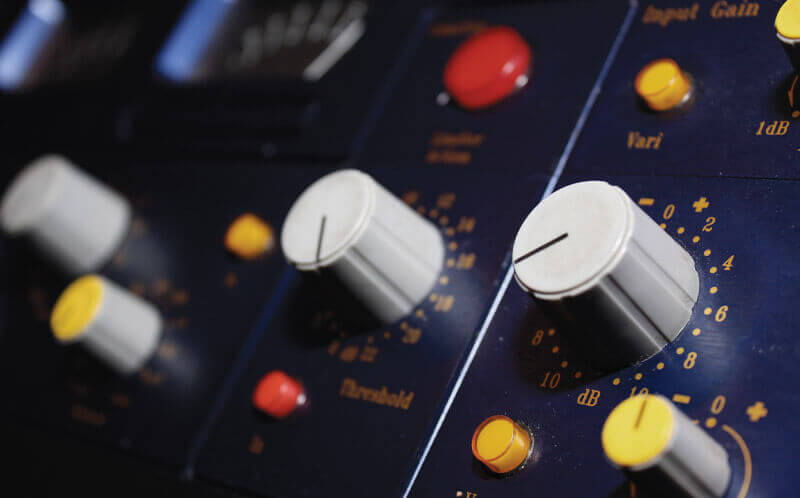
You've done it. You booked the studio, recorded the tracks, captured the vocals and made the songs sound more real than they ever could've in rehearsal. Now it's almost time for your first studio release. But before your music gets unleashed to the world, it still has to go through two stages that many first-time independent musicians misunderstand: The difference between mixing vs mastering.
They sound interchangeable. After all, they both happen after recording and they both affect how the final song sounds. They both include things like EQ, compression and volume. The whole process feels mysterious and technical if you're not an audio engineer, but mixing vs mastering are not the same thing.
What is mixing?
Mixing is the stage of the production process where all of the recorded parts of a song are blended together. During recording, each element might exist on its own track or set of tracks, like the lead vocal, backing vocals, kick drum, snare, bass, guitars and so on. It's the mixing engineer's job to make those parts work together.
That process includes adjusting volume levels so the vocals don't get buried, the bass doesn't overpower the kick drum, and the guitar solo isn't too aggressive. It also involves panning sounds across the stereo field, adding in effects like reverb or delay and shaping tones with EQ. Mixing gives each instrument enough space to be heard.
Mixing can help fix a variety of problems that have to do with the relationships between individual parts of a song, such as when:
- The lead vocal is too quiet
- The kick drum and bass are fighting each other
- The guitars are masking the vocal
- The snare sounds too harsh
- The backing vocals need to blend better
What is mastering?
Mastering comes after mixing. Once the mix is done, the mastering engineer works with the final stereo mix, not the individual tracks. Mastering applies changes to the song as a whole, not individual elements. Changing the sounds of individual tracks happens during mixing.
Mastering is more about consistency and making sure your first studio release is ready. The mastering process makes sure your song sounds good not just in the studio, but in a car, through earbuds, on laptop speakers or a Bluetooth speaker, on streaming platforms, and on CD and vinyl.
Mastering fixes things like when:
- The overall track is too quiet compared with other releases
- The mix needs a little tonal love
- The low end needs to feel more controlled
- The track needs better consistency across devices
- There are minor clicks, pops, hiss or fade issues
- The album needs the right spacing between tracks
The easiest way to understand the difference
If you're new to the difference between mixing vs mastering, think of mixing as the process that works inside the song, and mastering as the last bit of polish on the finished song. It's important to note that compression and EQ during mastering are only applied to the final two-track mix, not individual tracks, so if you need to boost the volume of specific instruments, that should happen during mixing. This is doubly important if you're producing a vinyl, which has its own special requirements due to the nature of the product.
Mixing and mastering can't save bad recording choices
A common mistake the first time studio artists make is assuming that everything can be fixed later. If their performance is shaky or the guitar tone isn't quite right? Fix it in the mix. While Disc Makers' team of professional sound engineers can improve more than you might think, there are still limits. They can only work with what exists in the recorded tracks. So if you don't love that guitar tone, for instance, it's better to fix it in the studio.
Before you even get into mixing vs mastering, take the time to listen to the recordings with a critical ear. Are the performances strong? Are the tones right? Are there any obvious noises, timing or tuning problems or missing parts? If something's bothering you at the recording stage, address it before you mix. If something bothers you after the mixing stage, address it before you master. Mixing vs mastering are a lot like dominoes in that one directly affects the other.
Should you combine mixing vs. mastering?
It sounds tempting to both mix and master at the same time, especially if you're recording at home or on a limited budget. But separating the two helps you make better decisions. Mastering should focus on the sound of the finished mix rather than trying to listen carefully to individual instruments. Separating them helps keep each stage clear, and it also gives your ears a reset.
Ready for the next step? It's time to work with Disc Makers.
When you're ready to take the last step, The SoundLAB at Disc Makers can help. We work with a variety of independent musicians while helping them prepare professional masters for digital, CD, vinyl, and even video. If you're an independent musician preparing for your first studio release, you want to be sure it's as professional and as polished as possible.
At this point, mixing vs mastering aren't just technical steps to cross off a list. You deserve a mix that serves the song, and a master that goes well beyond the studio, giving you a vinyl, CD or digital album that sounds ready the moment someone presses play. When you're ready to give your music that last flourish of consistency and release-ready sound, Disc Makers' experienced sound engineers are here to make it happen. View pricing or get started on our website today.
TLDR
This article explains the difference between mixing and mastering for independent musicians preparing their first studio release. Mixing focuses on balancing and shaping individual tracks within a song, including vocals, drums, guitars, EQ, panning, and effects so everything works together cohesively. Mastering happens afterward and applies adjustments to the finished stereo mix to improve consistency, loudness, clarity, and playback quality across streaming services, speakers, headphones, CDs, and vinyl. The article stresses that mastering cannot fix poor recordings or weak mixes, making strong performances and recording decisions essential from the start. It also recommends separating the mixing and mastering stages to improve decision-making and maintain objectivity. Finally, the piece highlights Disc Makers' SoundLAB services for musicians seeking professional release-ready masters for digital, CD, vinyl, and video distribution.